THE NEW YORK TIMES: The S&P 500 plunged nearly 9 percent in April, its worst monthly decline since March 2020, as rising interest rates and high inflation raised concerns about consumer sentiment.
April wound up being the worst month for Wall Street since the March 2020 panic over the coronavirus, capped by a plunge in stocks on Friday.
The S&P 500 fell 8.8 percent for the month, and is down more than 13 percent in 2022, a drop that shows many investors are coming to the same conclusion: The economy is about to take a hit, and everywhere they look, they see trouble ahead.
Runaway inflation, and the interest rate increases meant to contain it, will make life harder for consumers. A severe Covid lockdown in China and the invasion of Ukraine are worsening disruptions in the flow of goods across borders, contributing to rising food and energy prices, and threatening corporate profits.
On Friday alone, the S&P 500 slid 3.6 percent after the tech giants Amazon and Apple reported their results for the start of the year, crystallizing fears of rising costs and supply constraints. Analysts say Wall Street’s pessimism isn’t likely to end until the major concerns are resolved, and when that will happen seems impossible to know. » | Coral Murphy Marcos | Friday, April 29, 2022
April 30, 2022
April 27, 2022
Concern over Elon Musk’s Twitter Takeover Wipes $126bn Off Tesla Value
THE GUARDIAN: Fears that carmaker’s CEO may have to sell shares to fund $44bn acquisition of social network
Investors have wiped $126bn (£100bn) off Tesla’s value amid concern that Elon Musk may have to sell shares in the electric carmaker to fund his personal contribution to his $44bn acquisition of Twitter.
Tesla stock has been targeted despite the company not being involved in the bid but Musk, its chief executive and largest shareholder, is part-funding the Twitter deal with $21bn of his own equity and a further $12.5bn loan secured against his Tesla stake.
The 12.2% drop in Tesla’s shares on Tuesday equated to a $21bn drop in the value of his Tesla stake, equal to the cash stake he committed to the Twitter deal. » | Guardian staff and agency | Wednesday, April 27, 2022
Investors have wiped $126bn (£100bn) off Tesla’s value amid concern that Elon Musk may have to sell shares in the electric carmaker to fund his personal contribution to his $44bn acquisition of Twitter.
Tesla stock has been targeted despite the company not being involved in the bid but Musk, its chief executive and largest shareholder, is part-funding the Twitter deal with $21bn of his own equity and a further $12.5bn loan secured against his Tesla stake.
The 12.2% drop in Tesla’s shares on Tuesday equated to a $21bn drop in the value of his Tesla stake, equal to the cash stake he committed to the Twitter deal. » | Guardian staff and agency | Wednesday, April 27, 2022
April 24, 2022
Endlich gibt es wieder Zinsen

FRANKFURTER ALLGEMEINE ZEITUNG: Zwei oder drei Prozent für Anleihen – das ist jetzt wieder normal. Sparer müssen dafür noch nicht einmal große Risiken eingehen.
Die Anleihemärkte stehen gewöhnlich im Schatten der Aktien. Doch jetzt sind sie mit voller Wucht in den Mittelpunkt der Aufmerksamkeit ge¬rückt. Dort tut sich unglaubliches, längst vergessenes. Die Renditen lassen in einem irren Tempo die vielen Jahre mit negativen Zinsen hinter sich. 2014 waren sie erstmals unter null gerutscht. Noch bis Ende Januar und noch einmal Anfang März notierten sie unter dieser Schwelle. Und jetzt nur wenige Monate später bringen sie fast ein Prozent im Jahr.
Das ist noch nicht viel, aber derart schnell steigende Zinsen haben Anleihen seit Jahrzehnten nicht mehr erlebt. Es ist wahrhaft eine heftige Trendwende, die sich da gerade ereignet. Denn die Sparer können sich erstmals wieder seit Langem mit Anleihen befassen. Es gibt wieder Zinsen aufs Geld – ein neuer Zustand, der eigentlich historisch der Normalfall ist. So haben wir es in der Schule gelernt. » | Von Dyrk Scherff, Redakteur im Ressort „Wert“ der Frankfurter Allgemeinen Sonntagszeitung | Sonntag, 24. April 2022
April 23, 2022
How London Became the Dirty Money Capital of the World | FT Film
April 14, 2022
Elon Musk Offers to Buy Twitter for $54.20 a Share.

THE NEW YORK TIMES: Elon Musk has offered to buy Twitter for $54.20 a share, just weeks after he became the social media company’s largest shareholder.
Mr. Musk said this was a “best and final offer,” representing a 54 percent premium over the day before he began investing in the company in late January, according to a Securities and Exchange Commission filing. It would value the company at about $43 billion.
If the offer is not accepted, Mr. Musk said he would “need to reconsider my position as a shareholder,” according to a letter sent to Bret Taylor, Twitter’s chair, on April 13 and enclosed in the filing. “Twitter has extraordinary potential. I will unlock it.”
Twitter shares were 11 percent higher in premarket trading. On Wednesday, the closing price was $45.85. » | Eshe Nelson | Thursday, April 14, 2022
April 13, 2022
Tesco Vows to Rein in Prices as Profits Treble
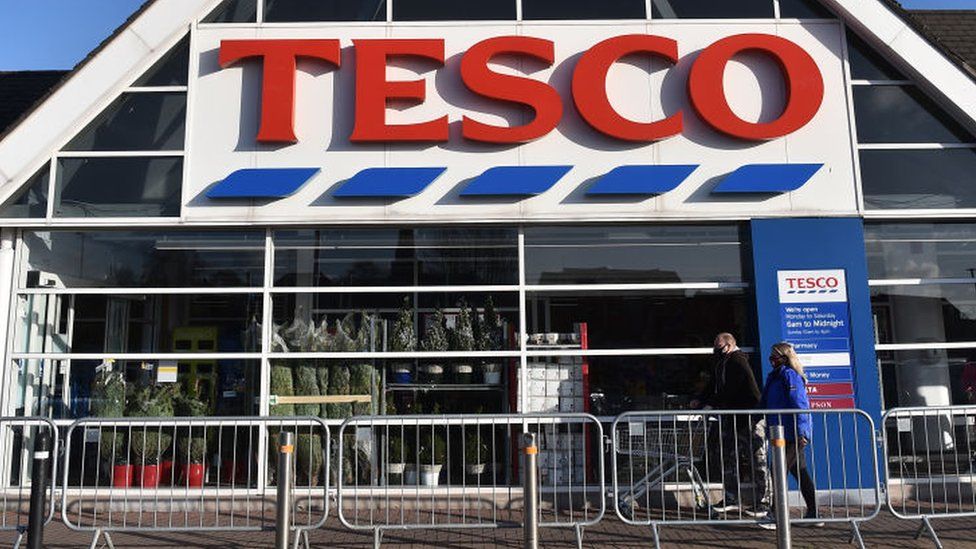
BBC: Tesco profits more than trebled last year amid rising sales and a fall in Covid-related costs.
The UK's largest supermarket chain reported pre-tax profits of £2.03bn, up from £636m the previous year.
Group sales, excluding fuel, rose by 2.5% to £54.8bn, while in the UK retail sales rose by 2.3% year on year.
However, Tesco warned of "significant uncertainties" and said performance would be affected by the the investment needed to keep prices down.
Chief executive Ken Murphy said: "Clearly, the external environment has become more challenging in recent months.
"Against a tough backdrop for our customers and with household budgets under pressure, we are laser-focused on keeping the cost of the weekly shop in check - working in close partnership with our suppliers, as well as doing everything we can to reduce our own costs." » | Wednesday, April 13, 2022
April 11, 2022
USA : l'inflation de mars attendue «extraordinairement élevée»
LE FIGARO : L'inflation du mois de mars aux États-Unis, qui sera publiée mardi, devrait être «extraordinairement élevée», a averti lundi la porte-parole de la Maison Blanche, Jen Psaki, lors de son point presse quotidien. » | Par Le Figaro avec AFP | lundi 11 avril 2022
April 04, 2022
Thomas Piketty Thinks America Is Primed for Wealth Redistribution

THE NEW YORK TIMES: In 2013, the French economist Thomas Piketty, in his best seller “Capital in the Twenty-First Century,” a book eagerly received in the wake of the 2008 economic collapse, put forth the notion that returns on capital historically outstrip economic growth (his famous r>g formula). The upshot? The rich get richer, while the rest of us stay stuck in the mud. Now, nearly a decade later, Piketty is set to publish “A Brief History of Equality,” in which he argues that we’re on a trajectory of greater, not less, equality and lays out his prescriptions for remedying our current corrosive wealth disparities. (In short: Tax the rich.) If the line from one book to the other looks slightly askew given the state of the world, then, Piketty suggests, you’re looking from the wrong vantage point. “I am relatively optimistic,” says Piketty, who is 50, “about the fact that there is a long-run movement toward more equality, which goes beyond the little details of what happens within a specific decade.” » | David Marchese | Photograph: Christopher Anderson/Magnum, for The New York Times | Friday, April 1, 2022
April 03, 2022
How Putin’s Demand for Ruble Payments for Gas Will Play Out (w/ Richard Wolff)
April 01, 2022
Martin Lewis: ‘We Need Political Intervention on Cost of Living’
Personal finance expert Martin Lewis has been campaigning for government intervention for disabled people and those on lower and middle incomes.
Speaking to Radio 5 Live’s Tony Livesey, Martin said many people have tightened their belts “to the point that they can’t be tightened anymore, and the only room, therefore, is political intervention.”
Martin highlighted the plight of disabled people who “have to keep all types of medical equipment on 24 hours a day.”
“For God’s sake, we need to help them… this is not a party political point, this is a humanitarian point,” Martin added.
His comments came as the energy price cap rise came into effect, meaning millions of people will be paying more for their energy bills.
This clip was originally broadcast on 5 Live Drive, Thursday 31 March 2022.
Speaking to Radio 5 Live’s Tony Livesey, Martin said many people have tightened their belts “to the point that they can’t be tightened anymore, and the only room, therefore, is political intervention.”
Martin highlighted the plight of disabled people who “have to keep all types of medical equipment on 24 hours a day.”
“For God’s sake, we need to help them… this is not a party political point, this is a humanitarian point,” Martin added.
His comments came as the energy price cap rise came into effect, meaning millions of people will be paying more for their energy bills.
This clip was originally broadcast on 5 Live Drive, Thursday 31 March 2022.
March 23, 2022
Spring Statement: Sunak Warns Economy Could Get ‘Significantly’ Worse
Eilmeldung: Putin: Russland akzeptiert für Gas-Lieferungen nach Europa nur noch Rubel
March 16, 2022
Wie Spekulation ins Chaos führt | Doku
Mar 15, 2022 • Brot, Wasser, Öl, Wohnraum: Die für unser Leben wesentlichen Güter sind oft überteuert. Die hohen Preise haben unterschiedliche Ursachen, sie sind häufig der Spekulationen mit Rohstoffen geschuldet. Weltweit profitieren Finanzspekulanten davon, die Preise der wichtigsten Güter immer weiter nach oben zu treiben. Die Folgen: Wirtschaftscrashs, Revolten und sogar Kriege.
Überall auf der Welt, wo Menschen um die Befriedigung ihrer Grundbedürfnisse oder gar ums nackte Überleben kämpfen, brechen Konflikte, Revolten und Preiskriege aus. Die Tatsache, dass viele Menschen in Afrika, Asien und Lateinamerika nicht mehr das Nötigste zum Überleben erwirtschaften können, ist neben der Klimakrise einer der Hauptgründe für die weltweite Migration, bei der Millionen Menschen auf der Suche nach einem menschenwürdigen Leben ihrer Heimat den Rücken kehren.
Der Filmemacher Rupert Russell führt die Zuschauerinnen und Zuschauer an einige wichtige Schauplätze solcher Preiskonflikte: Venezuela, Irak, Kenia, Guatemala und ins Herz der Finanzmärkte, an die Wall Street, wo Finanzspekulanten die Preise für lebensnotwendige Rohstoffe in die Höhe treiben – mit zum Teil katastrophalen Folgen. Mit Hilfe der Metapher des sogenannten Schmetterlingseffekts erläutert der Dokumentarfilm, wie sich kleine Veränderungen auf den Rohstoffmärkten und Preismanipulationen auf die Lebensverhältnisse der Menschen weltweit auswirken können.
Führende Wirtschaftsexperten wie Jeffrey Sachs und der Nobelpreisträger Joseph Stiglitz erläutern, warum zahlreiche internationale Konflikte in den Rohstoffmärkten und den dort stattfindenden Spekulationen wurzeln. ARTE zeigt die Ursachen und Gründe für die weltweite Krise auf, die durch die Corona-Pandemie noch verstärkt wird.
Überall auf der Welt, wo Menschen um die Befriedigung ihrer Grundbedürfnisse oder gar ums nackte Überleben kämpfen, brechen Konflikte, Revolten und Preiskriege aus. Die Tatsache, dass viele Menschen in Afrika, Asien und Lateinamerika nicht mehr das Nötigste zum Überleben erwirtschaften können, ist neben der Klimakrise einer der Hauptgründe für die weltweite Migration, bei der Millionen Menschen auf der Suche nach einem menschenwürdigen Leben ihrer Heimat den Rücken kehren.
Der Filmemacher Rupert Russell führt die Zuschauerinnen und Zuschauer an einige wichtige Schauplätze solcher Preiskonflikte: Venezuela, Irak, Kenia, Guatemala und ins Herz der Finanzmärkte, an die Wall Street, wo Finanzspekulanten die Preise für lebensnotwendige Rohstoffe in die Höhe treiben – mit zum Teil katastrophalen Folgen. Mit Hilfe der Metapher des sogenannten Schmetterlingseffekts erläutert der Dokumentarfilm, wie sich kleine Veränderungen auf den Rohstoffmärkten und Preismanipulationen auf die Lebensverhältnisse der Menschen weltweit auswirken können.
Führende Wirtschaftsexperten wie Jeffrey Sachs und der Nobelpreisträger Joseph Stiglitz erläutern, warum zahlreiche internationale Konflikte in den Rohstoffmärkten und den dort stattfindenden Spekulationen wurzeln. ARTE zeigt die Ursachen und Gründe für die weltweite Krise auf, die durch die Corona-Pandemie noch verstärkt wird.
March 15, 2022
Cryptomonnaies et appartements à Dubaï, les nouveaux investissements des milliardaires russes
LE MONDE : Certains oligarques cherchent à contourner les sanctions et la chute du rouble en transférant d’importantes sommes en cryptoactifs à Dubaï, où ils investissent dans l’immobilier.

Le centre-ville de Dubaï, le 15 mars 2022. AIJAZ RAHI / AP
Même pour Dubaï et sa population de multimilliardaires, l’appel était hors du commun. Et ce responsable d’une société de revente de cryptomonnaies, qui témoigne auprès de l’agence Reuters, s’en souvient très bien. « Il y a un type – je ne connais pas son identité, il est passé par un intermédiaire – qui appelle et nous dit, “je voudrais vendre 125 000 Bitcoins”. Je lui ai dit que ça faisait 6 milliards de dollars. Il m’a dit “oui, oui, on va les faire transférer par une entreprise en Australie”. »
Depuis le début de l’invasion russe de l’Ukraine, et l’effondrement du cours du rouble consécutif aux sanctions internationales, des milliardaires russes pensent avoir trouvé une solution pour protéger leur fortune et, pour certains, tenter d’échapper aux sanctions. A Dubaï et dans le reste des Emirats arabes unis, l’un des rares pays où les riches Russes sont encore bienvenus, ils investissent massivement dans l’immobilier, après avoir utilisé des cryptomonnaies pour transférer leurs fonds. » | Le Monde | mardi 15 mars 2022
Même pour Dubaï et sa population de multimilliardaires, l’appel était hors du commun. Et ce responsable d’une société de revente de cryptomonnaies, qui témoigne auprès de l’agence Reuters, s’en souvient très bien. « Il y a un type – je ne connais pas son identité, il est passé par un intermédiaire – qui appelle et nous dit, “je voudrais vendre 125 000 Bitcoins”. Je lui ai dit que ça faisait 6 milliards de dollars. Il m’a dit “oui, oui, on va les faire transférer par une entreprise en Australie”. »
Depuis le début de l’invasion russe de l’Ukraine, et l’effondrement du cours du rouble consécutif aux sanctions internationales, des milliardaires russes pensent avoir trouvé une solution pour protéger leur fortune et, pour certains, tenter d’échapper aux sanctions. A Dubaï et dans le reste des Emirats arabes unis, l’un des rares pays où les riches Russes sont encore bienvenus, ils investissent massivement dans l’immobilier, après avoir utilisé des cryptomonnaies pour transférer leurs fonds. » | Le Monde | mardi 15 mars 2022
Guerre en Ukraine : « Vladimir Poutine va détruire l’économie russe »
LE MONDE : Dans un entretien au « Monde », l’économiste Sergei Guriev, professeur à Sciences Po, souligne que les sanctions occidentales peuvent affaiblir le maître du Kremlin mais vont appauvrir le peuple russe, en particulier les moins aisés.
Professeur à Sciences Po, ancien économiste en chef de la Banque européenne pour la reconstruction et le développement (BERD), Sergei Guriev a été l’un des conseillers économiques de Vladimir Poutine au début des années 2010, avant de s’exiler en France, inquiet pour sa sécurité, après avoir critiqué les arrestations d’opposants à la réélection du président russe, en 2012. Il explique pourquoi ce dernier a sous-estimé les sanctions occidentales. Et comment, privé de l’argent des hydrocarbures, il peinerait à poursuivre la guerre et à financer la répression dans son pays. » | Propos recueillis par Marie Charrel | mardi 15 mars 2022
Article réservé aux abonnés
Professeur à Sciences Po, ancien économiste en chef de la Banque européenne pour la reconstruction et le développement (BERD), Sergei Guriev a été l’un des conseillers économiques de Vladimir Poutine au début des années 2010, avant de s’exiler en France, inquiet pour sa sécurité, après avoir critiqué les arrestations d’opposants à la réélection du président russe, en 2012. Il explique pourquoi ce dernier a sous-estimé les sanctions occidentales. Et comment, privé de l’argent des hydrocarbures, il peinerait à poursuivre la guerre et à financer la répression dans son pays. » | Propos recueillis par Marie Charrel | mardi 15 mars 2022
Article réservé aux abonnés
March 14, 2022
Russia Threatens to Seize Western Assets | DW News
March 07, 2022
Guerre en Ukraine : minée par les inégalités, la Russie se dirige vers une récession historique
LE MONDE : Sous l’effet des sanctions imposées en réaction à l’invasion de l’Ukraine, le produit intérieur brut russe pourrait chuter de 5 % à 10 % cette année.
« Dès les premières sanctions, ma mère a dit : “Surtout, fais le plein de médicaments”, raconte Youlia, une ingénieure moscovite, qui préfère garder l’anonymat. Nous avons vite compris qu’elle avait raison : tout ce qui vient de l’étranger va bientôt manquer. » Pour protéger ses économies face à l’effondrement du rouble, la jeune femme de 31 ans s’est précipitée en magasin pour acheter une poignée de bijoux et un ordinateur. « Cela vaudra toujours quelque chose. » Son frère Ivan, lui, s’est tourné vers les cryptomonnaies. « Mais, moi, je n’ai pas confiance. Si notre économie s’effondre, ce n’est pas avec des sous virtuels qu’on achètera du pain. » » | Par Marie Charrel | dimanche 6 mars 2022
Article réservé aux abonnés
« Dès les premières sanctions, ma mère a dit : “Surtout, fais le plein de médicaments”, raconte Youlia, une ingénieure moscovite, qui préfère garder l’anonymat. Nous avons vite compris qu’elle avait raison : tout ce qui vient de l’étranger va bientôt manquer. » Pour protéger ses économies face à l’effondrement du rouble, la jeune femme de 31 ans s’est précipitée en magasin pour acheter une poignée de bijoux et un ordinateur. « Cela vaudra toujours quelque chose. » Son frère Ivan, lui, s’est tourné vers les cryptomonnaies. « Mais, moi, je n’ai pas confiance. Si notre économie s’effondre, ce n’est pas avec des sous virtuels qu’on achètera du pain. » » | Par Marie Charrel | dimanche 6 mars 2022
Article réservé aux abonnés
March 04, 2022
European Shares Tumble, Commodity Prices Soar
THE GUARDIAN: European shares are sliding deeper into the red, after Russian shelling at a Ukrainian nuclear plant – Europe’s shares, commodity prices, biggest nuclear power station – led to a fire that burned for several hours, before being extinguished. The reactors are fine, according to the Ukrainian authorities, but this illustrates the dangers to a nuclear plant in a military conflict and has caused deep unease at the International Atomic Energy Agency. » | Julia Kollewe | Friday, March 4, 2022
March 02, 2022
Powell Says That Rates Are Headed Higher, Even As Ukraine Poses Uncertainty
THE NEW YORK TIMES: Federal Reserve Chair Jerome Powell said the central bank is likely to raise rates at its meeting this month, even with geopolitical upheaval.
Jerome H. Powell, the Federal Reserve chair, will tell lawmakers on Wednesday that the central bank is poised to lift interest rates from near zero at its meeting later this month as it embarks on an effort to cool down high inflation — even as conflict in Ukraine ramps up uncertainty.
“We expect it will be appropriate to raise the target range for the federal funds rate at our meeting later this month,” Mr. Powell said in testimony prepared for delivery to the House Committee on Financial Services. He noted that the Fed will move toward a “predictable” shrinking of its big bond holdings after raising rates, a move that will take additional steam out of the economy.
While Fed officials are prepared to use their policies to make money steadily more expensive in a bid to slow consumer and business demand, hoping to cool off today’s rapid prices, Mr. Powell added that the central bank must be poised to respond as Russia’s invasion of Ukraine looms large.
“The near-term effects on the U.S. economy of the invasion of Ukraine, the ongoing war, the sanctions and of events to come, remain highly uncertain,” he said. “We will need to be nimble in responding to incoming data and the evolving outlook.” » | Jeanna Smialek | Wednesday, March 2, 2022
Jerome H. Powell, the Federal Reserve chair, will tell lawmakers on Wednesday that the central bank is poised to lift interest rates from near zero at its meeting later this month as it embarks on an effort to cool down high inflation — even as conflict in Ukraine ramps up uncertainty.
“We expect it will be appropriate to raise the target range for the federal funds rate at our meeting later this month,” Mr. Powell said in testimony prepared for delivery to the House Committee on Financial Services. He noted that the Fed will move toward a “predictable” shrinking of its big bond holdings after raising rates, a move that will take additional steam out of the economy.
While Fed officials are prepared to use their policies to make money steadily more expensive in a bid to slow consumer and business demand, hoping to cool off today’s rapid prices, Mr. Powell added that the central bank must be poised to respond as Russia’s invasion of Ukraine looms large.
“The near-term effects on the U.S. economy of the invasion of Ukraine, the ongoing war, the sanctions and of events to come, remain highly uncertain,” he said. “We will need to be nimble in responding to incoming data and the evolving outlook.” » | Jeanna Smialek | Wednesday, March 2, 2022
Subscribe to:
Posts (Atom)